Project Information
- Location: Weobley, Herefordshire
- Client: Mr & Mrs Ware
- Sector: Residential
- Project Completion: June 2015
- Value: £180,000

AP Construction Group undertook the challenge of extending and renovating a 16th Century Grade II listed cottage in Weobley, Herefordshire. The result is a perfect blend of modern design and historical charm.
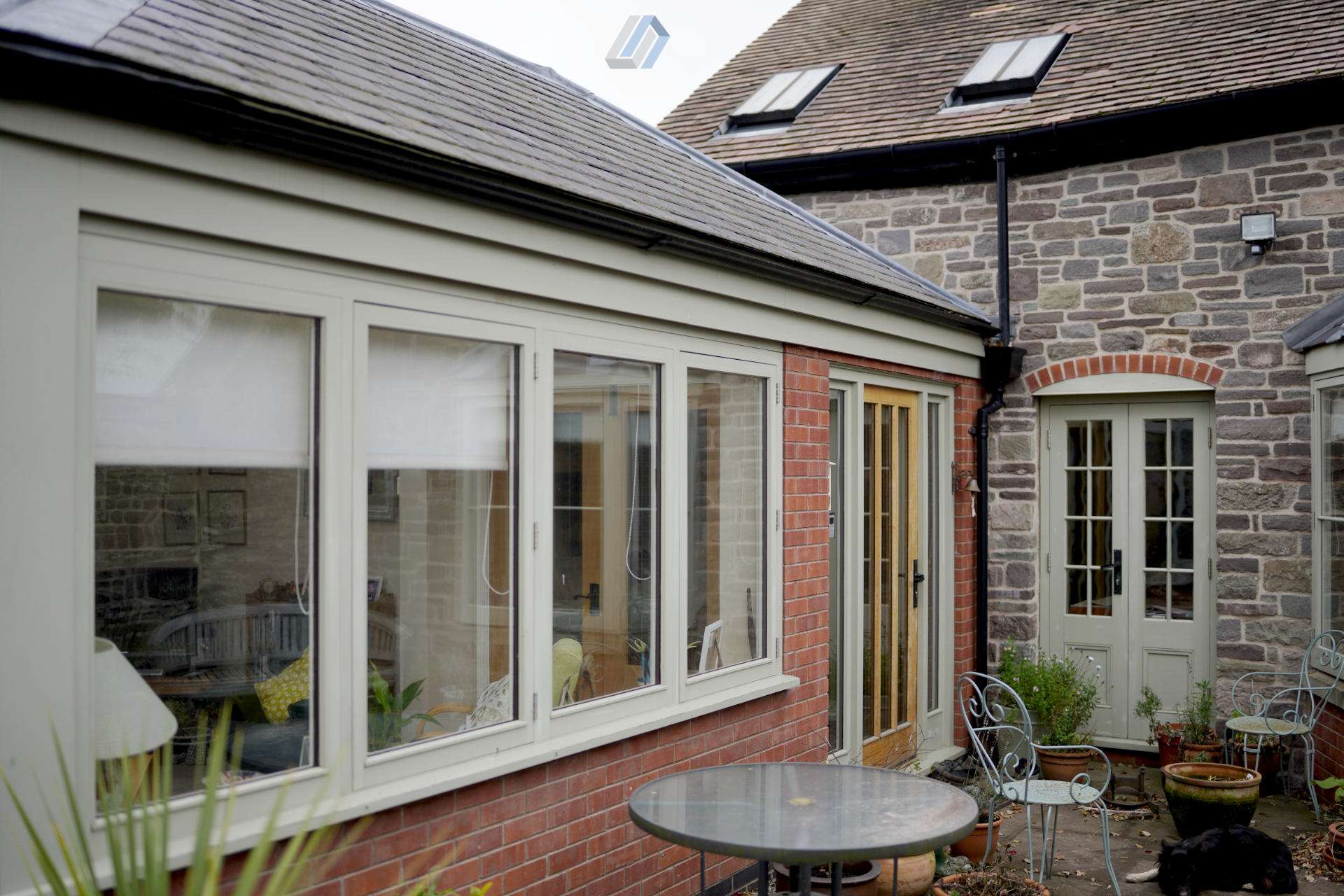
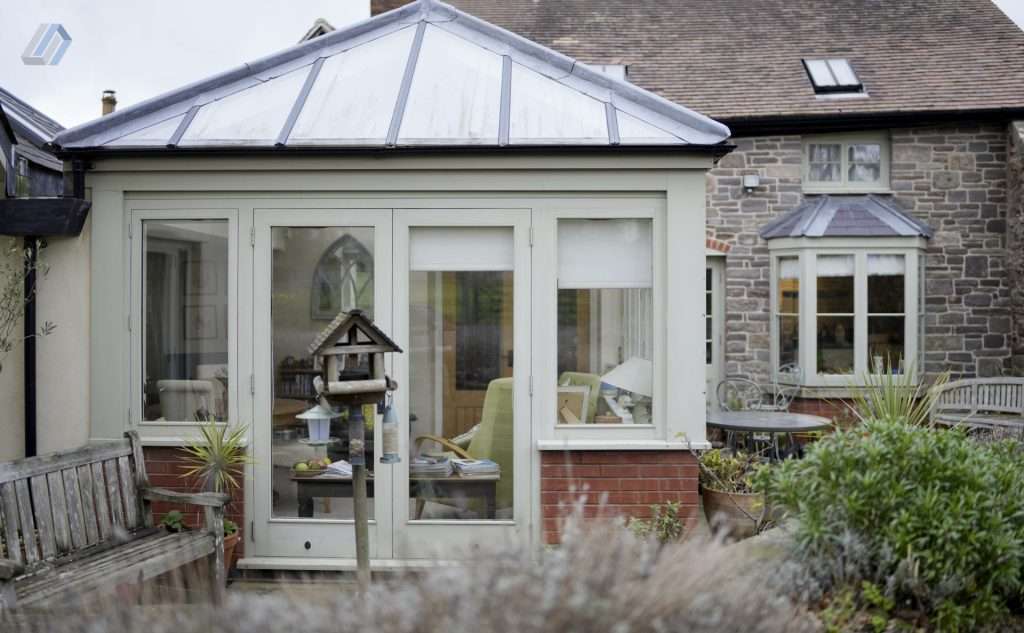
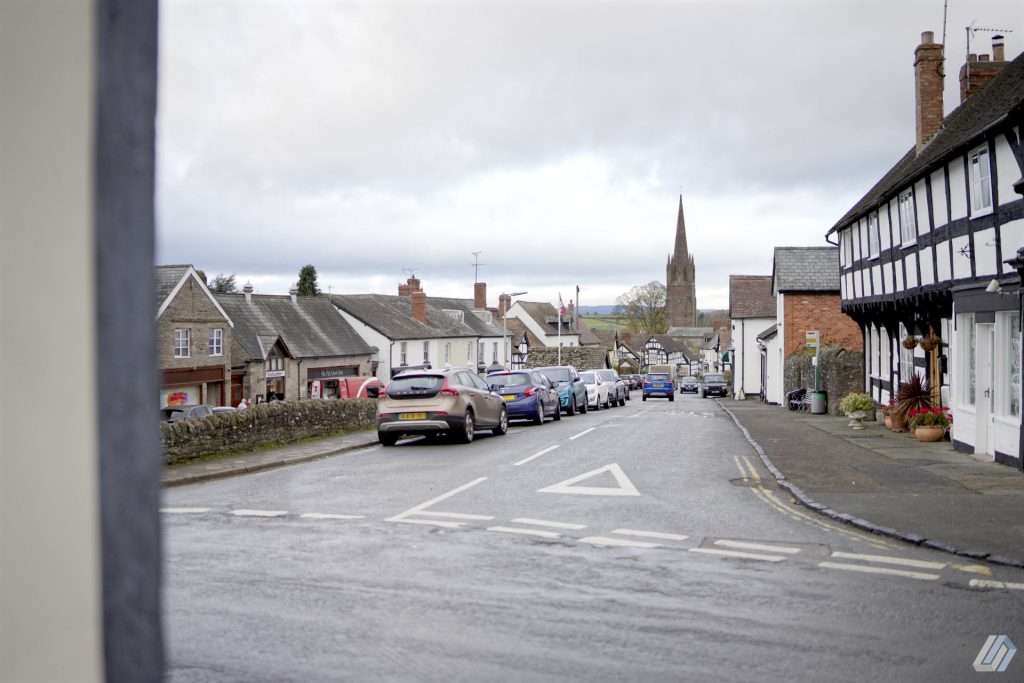
AP Construction Group was appointed by a residential client, Mr & Mrs Ware, to undertake the extension and renovation of a 16th Century corner house and market pitch, a Grade II listed cottage in Weobley, Herefordshire.
Working on a listed building, like the Corner House, is a matter of national importance. AP Construction Group was appointed to undertake the extension and renovation of this historic building, which required a deep understanding of the building’s historical significance, architectural value, and the strict regulations governing modifications to listed structures.
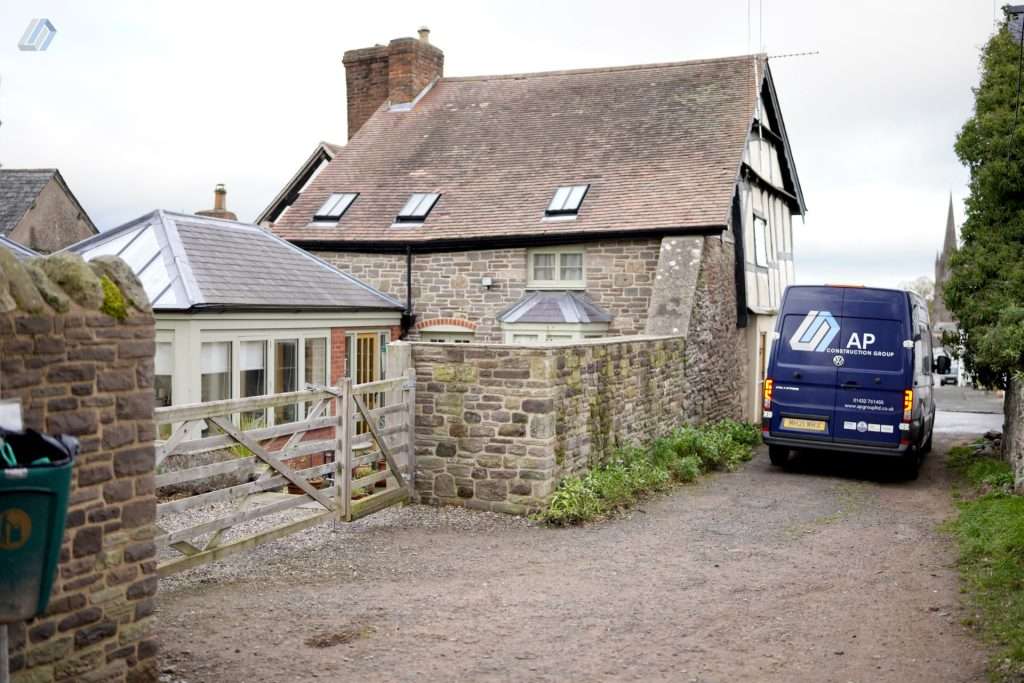
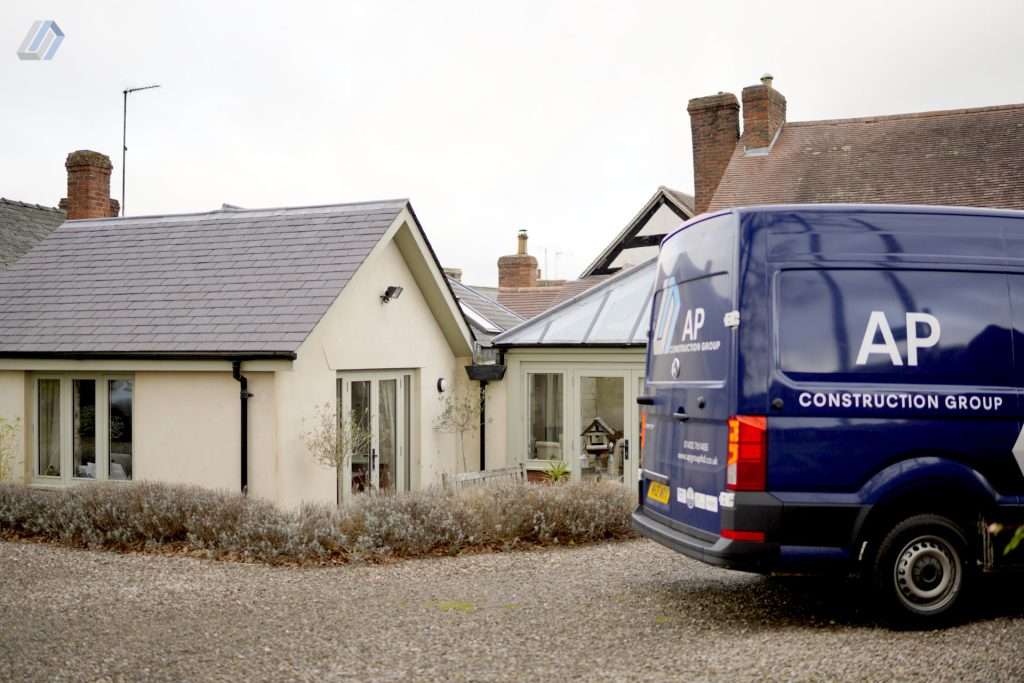
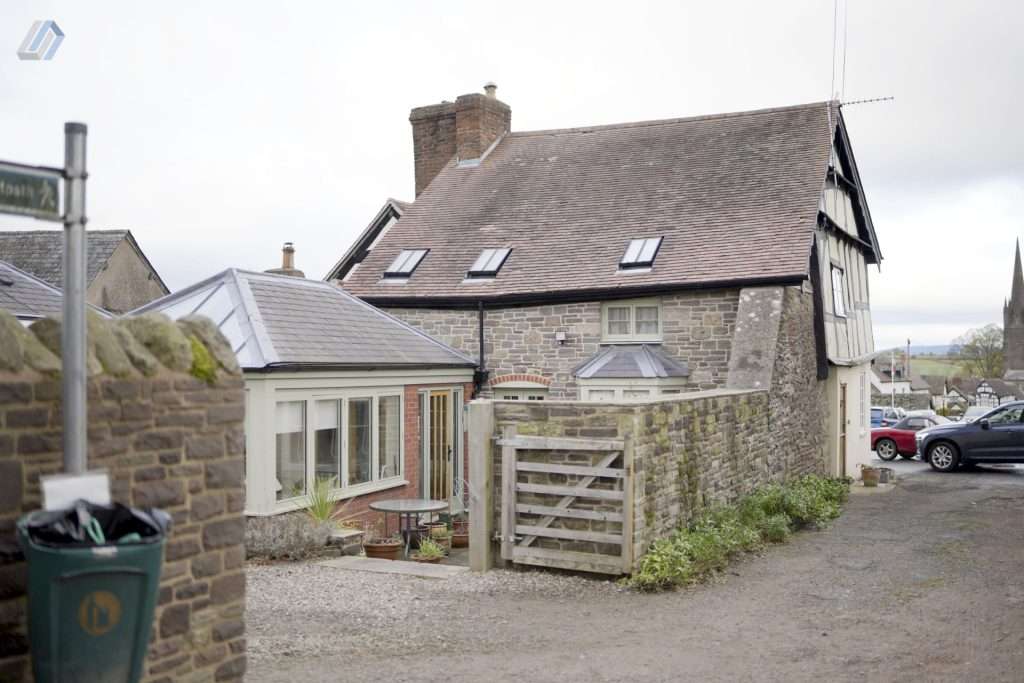
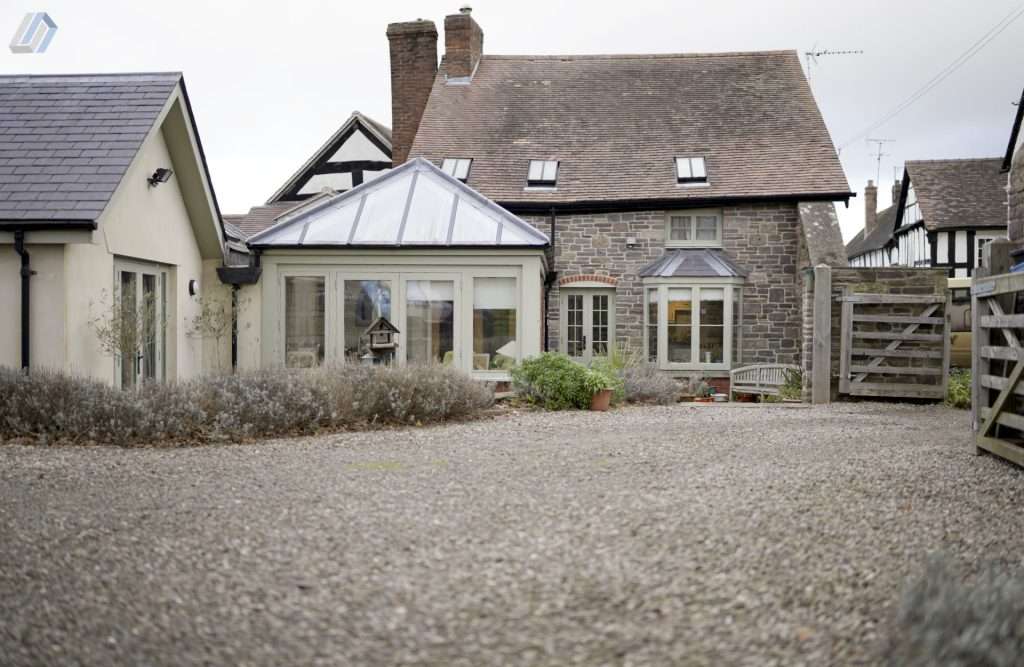
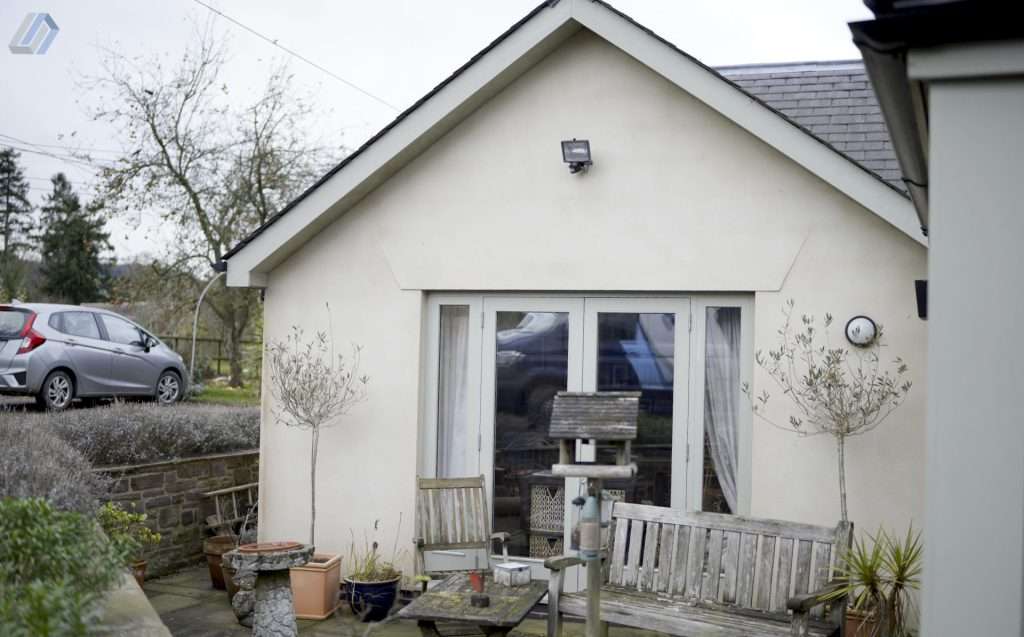
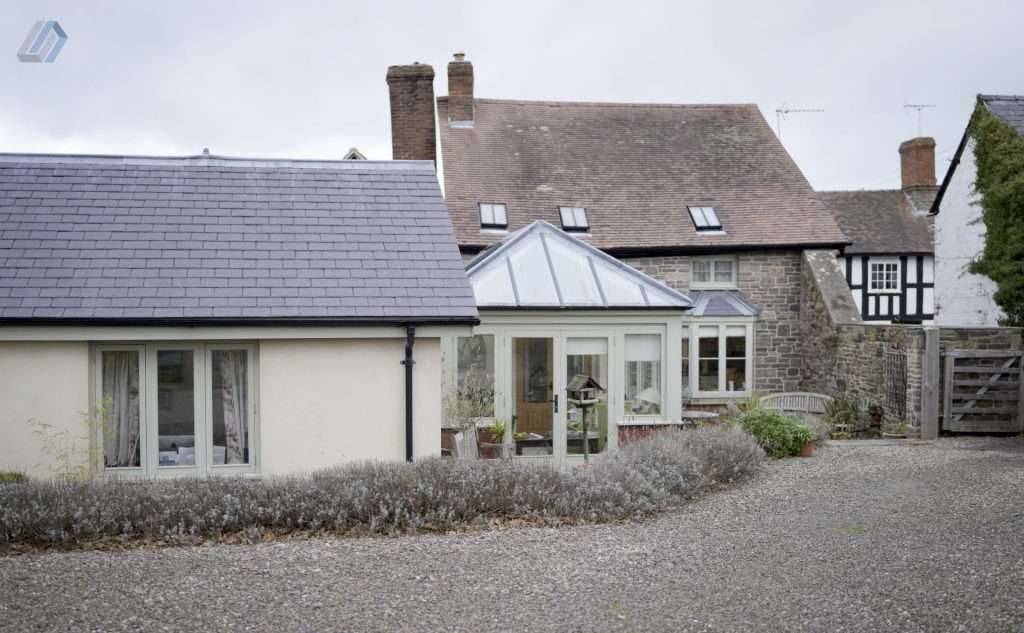
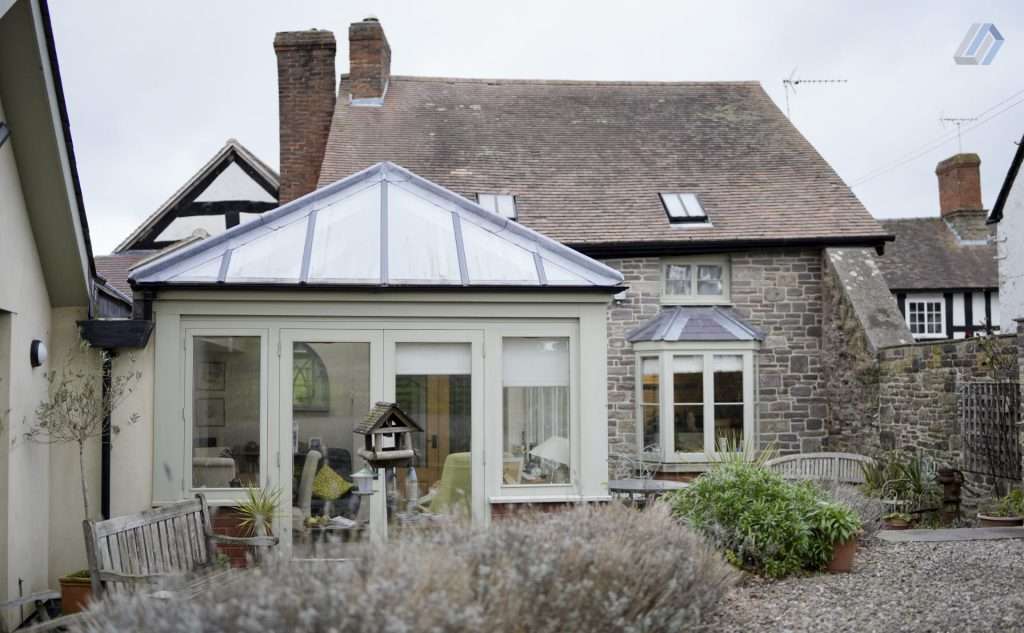
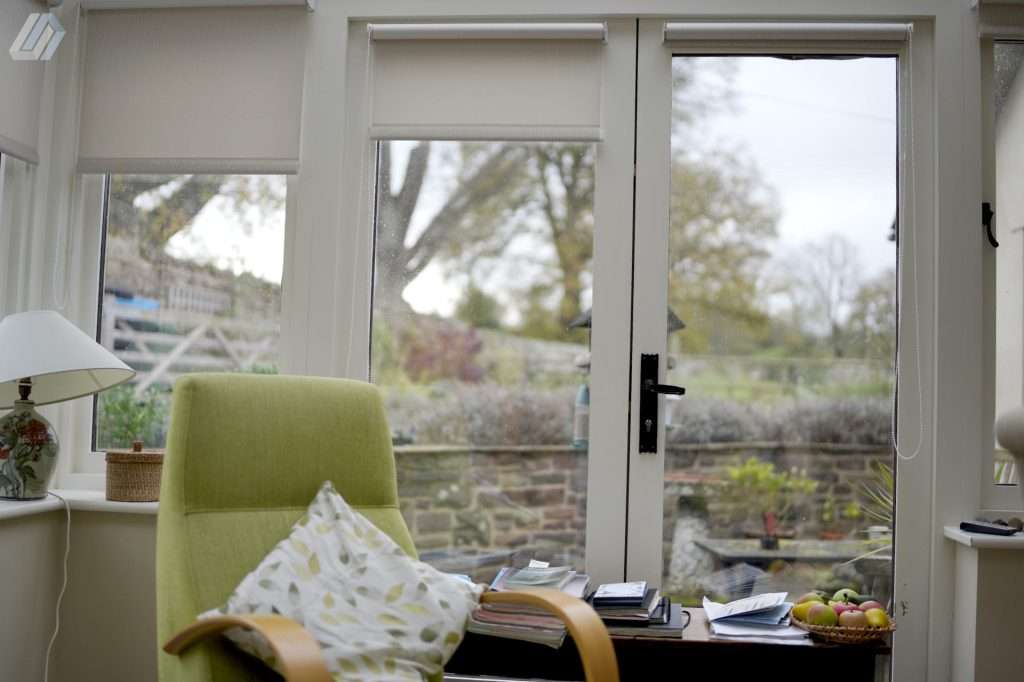
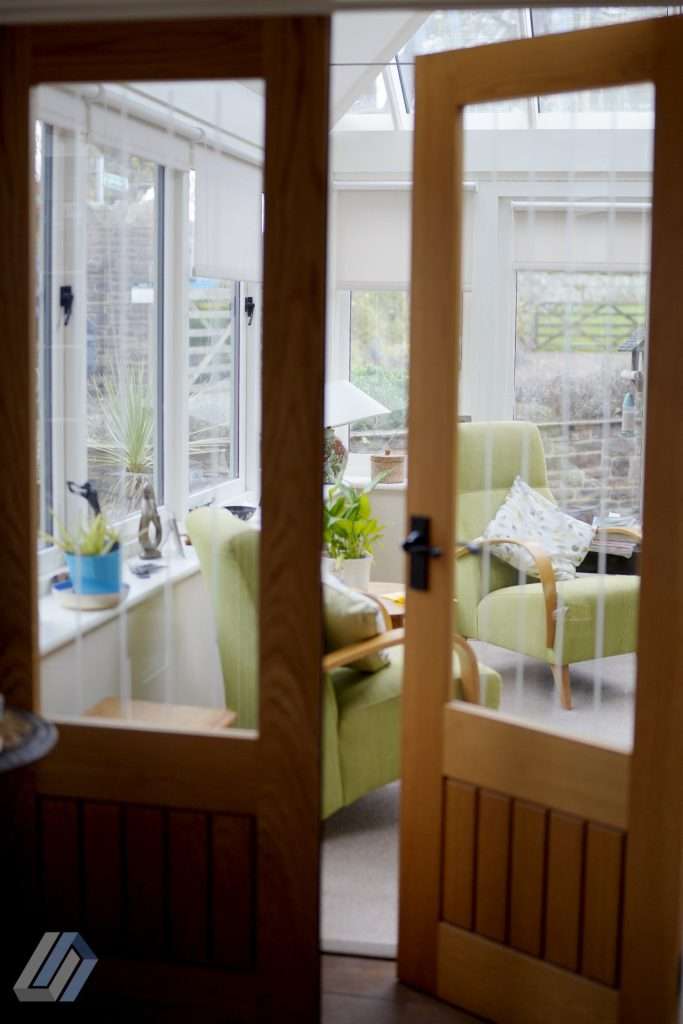
The project resulted in two contemporary single-storey extensions to the rear of the property and a sympathetic renovation of the existing building to a comfortable, liveable standard.
The project presented a unique challenge: to create a modern, comfortable living space while preserving the historical integrity of the 16th Century building.
The project required a delicate balance of old and new, combining contemporary design with careful preservation.
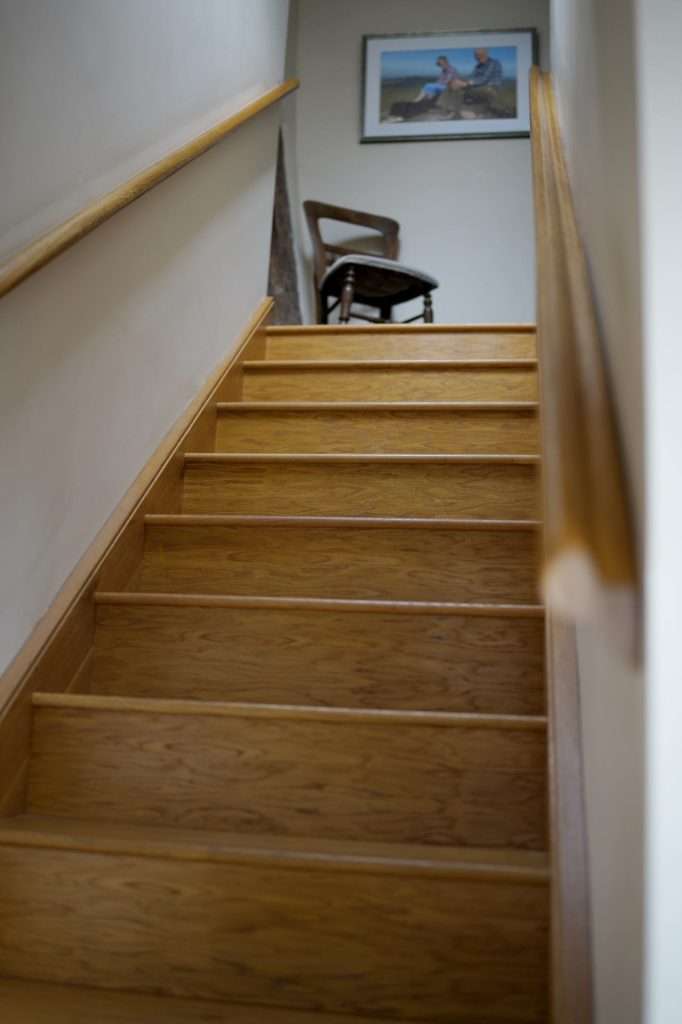
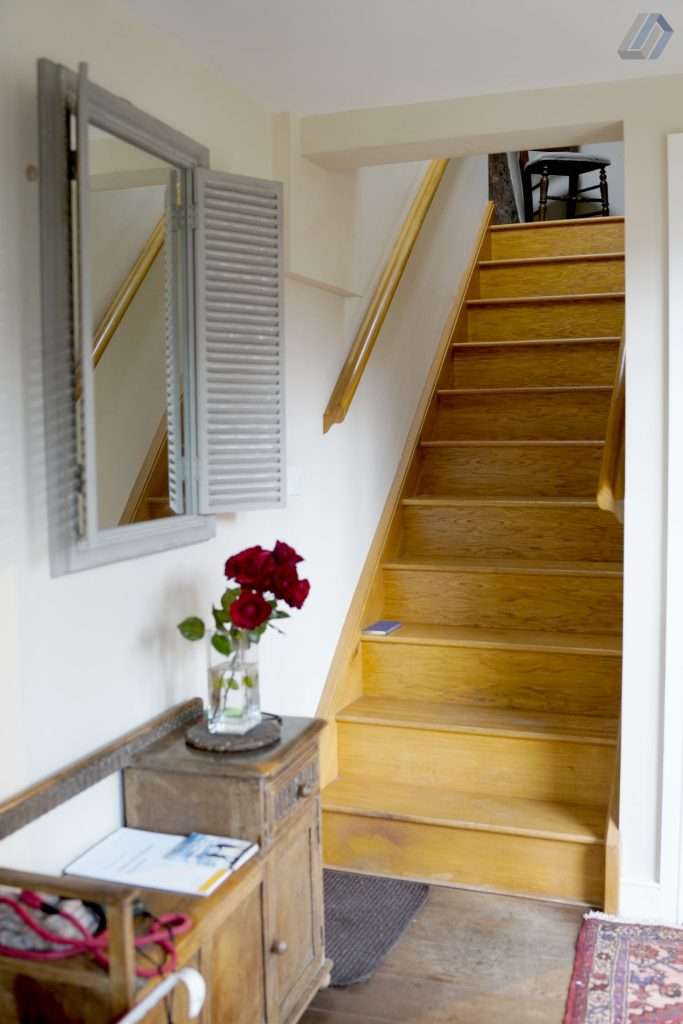
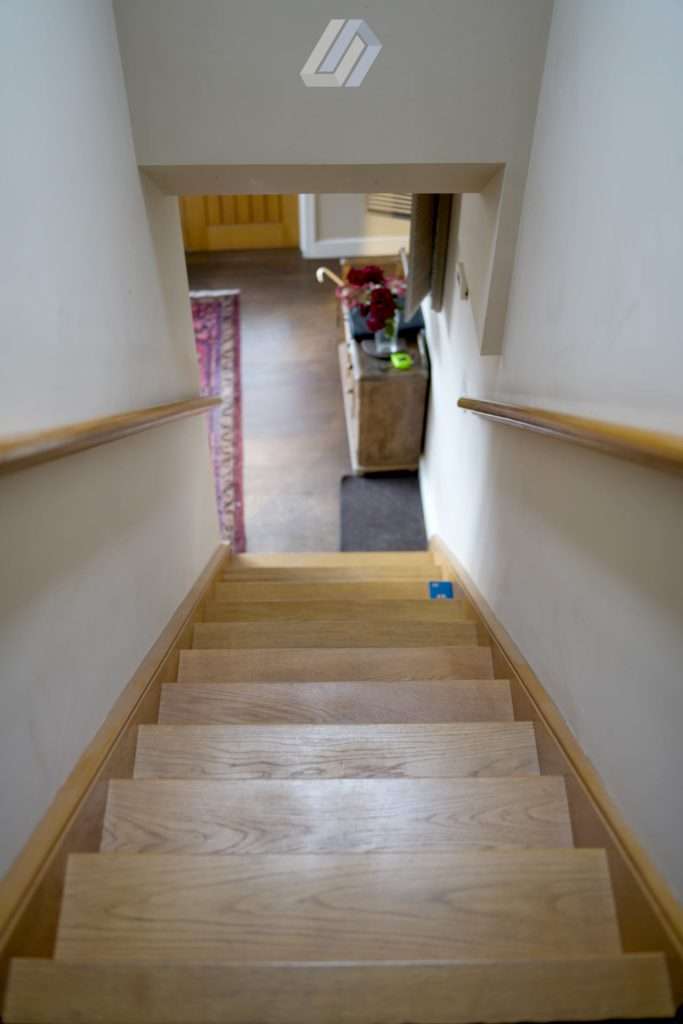
The scheme comprised two contemporary single-storey extensions to the rear of the property and a sympathetic renovation of the existing building. Our team worked meticulously to ensure the new additions blended seamlessly with the original structure, respecting its historical significance while introducing modern conveniences and design elements.

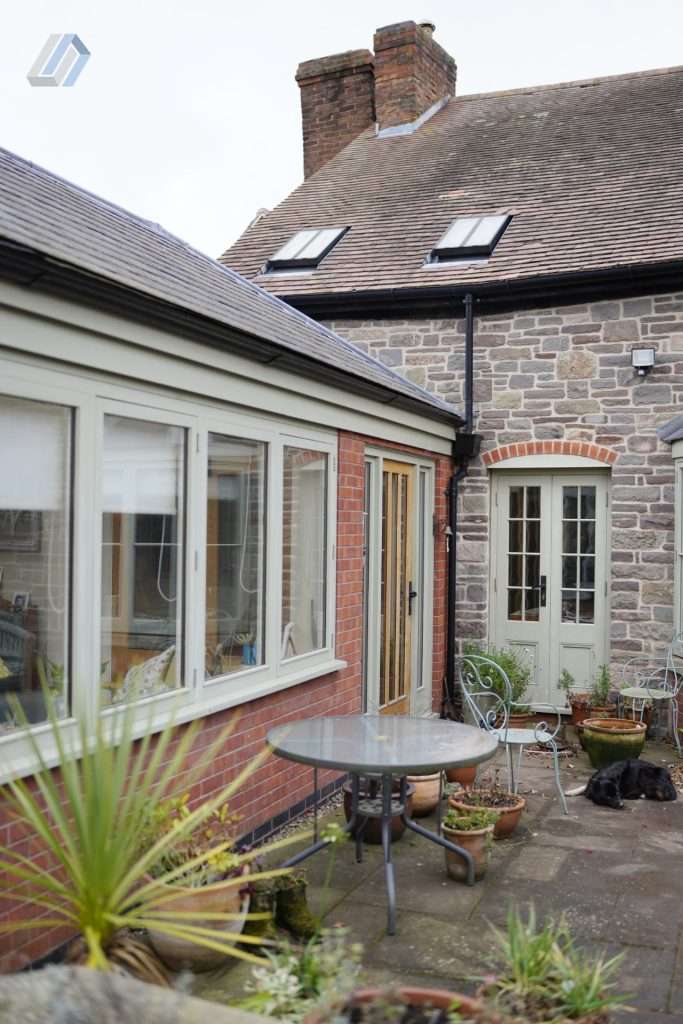
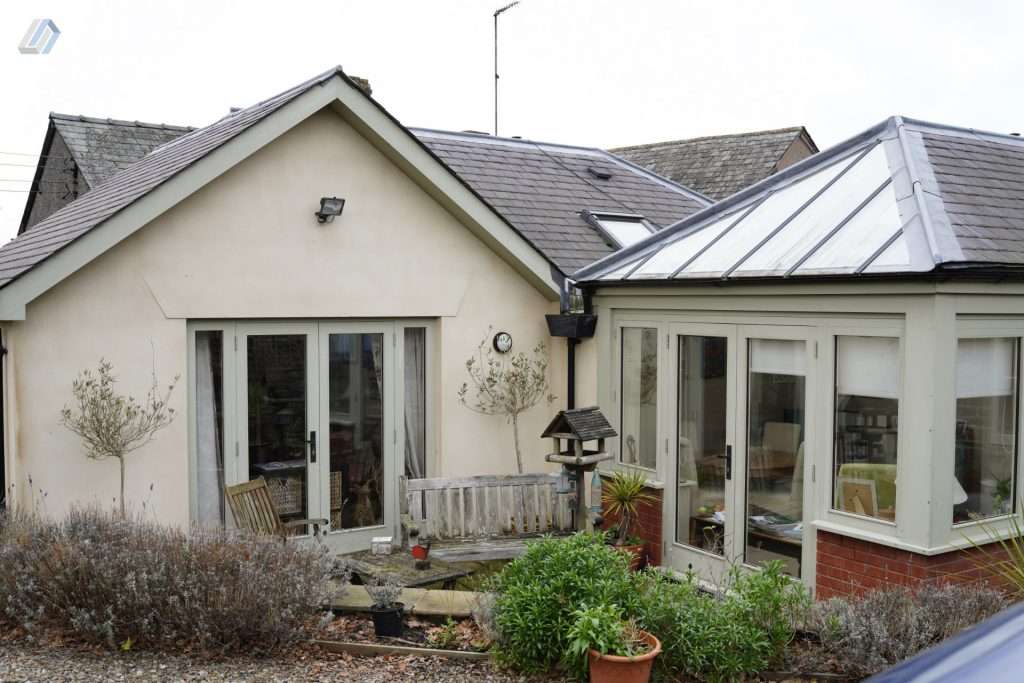
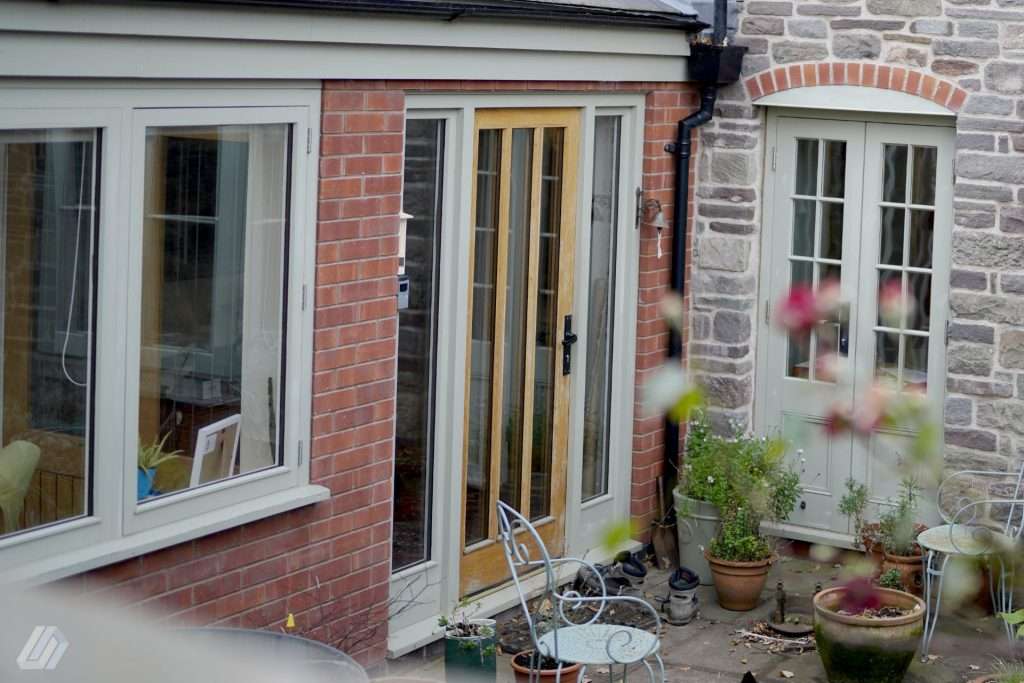
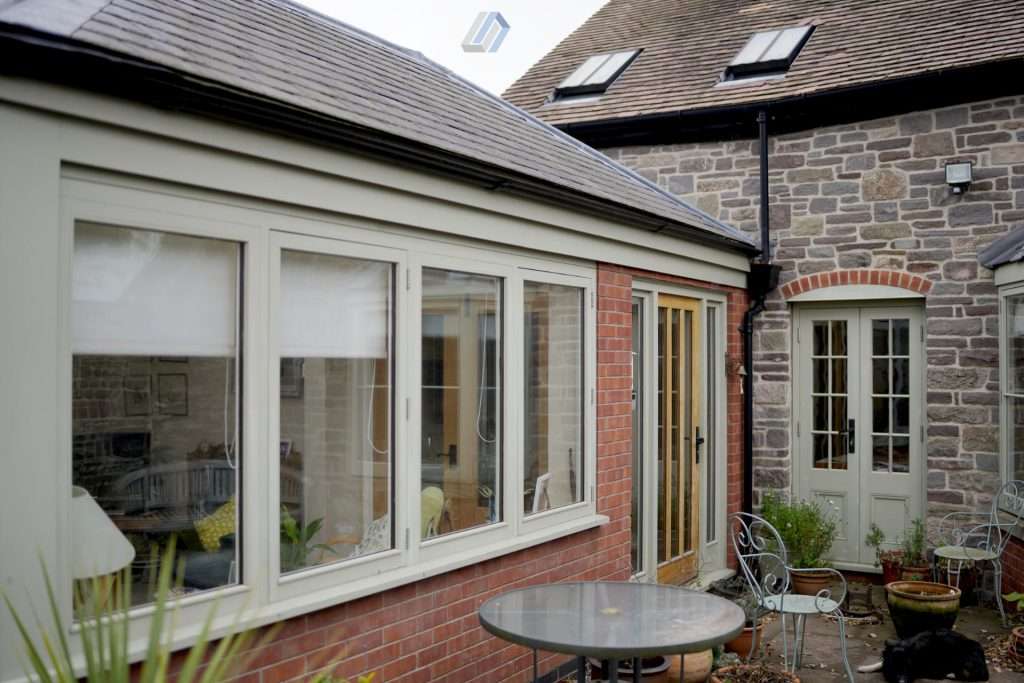
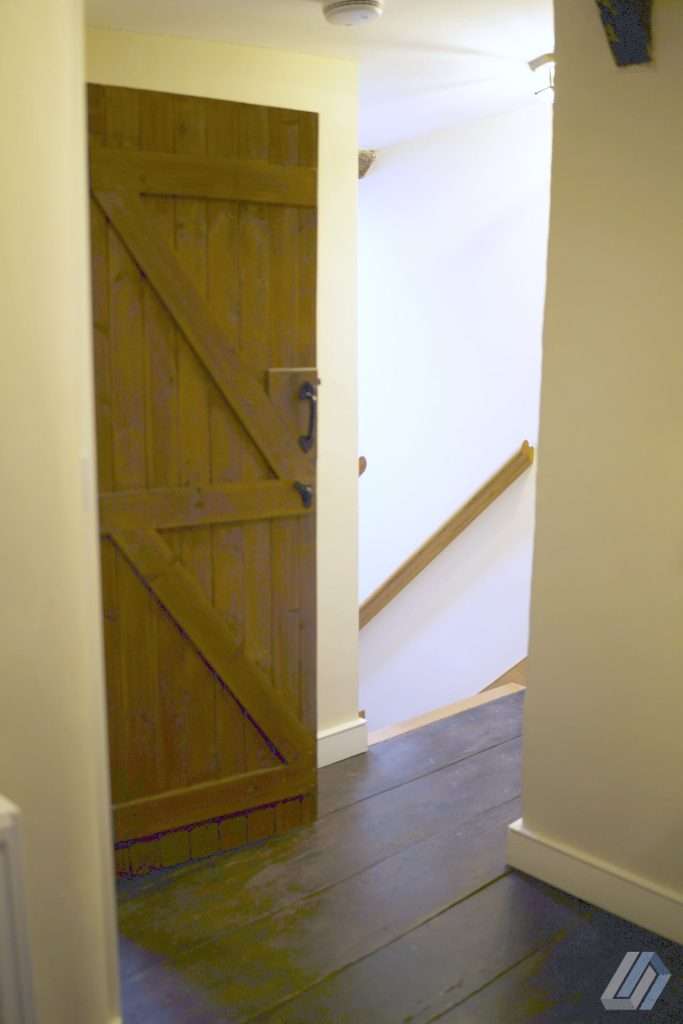
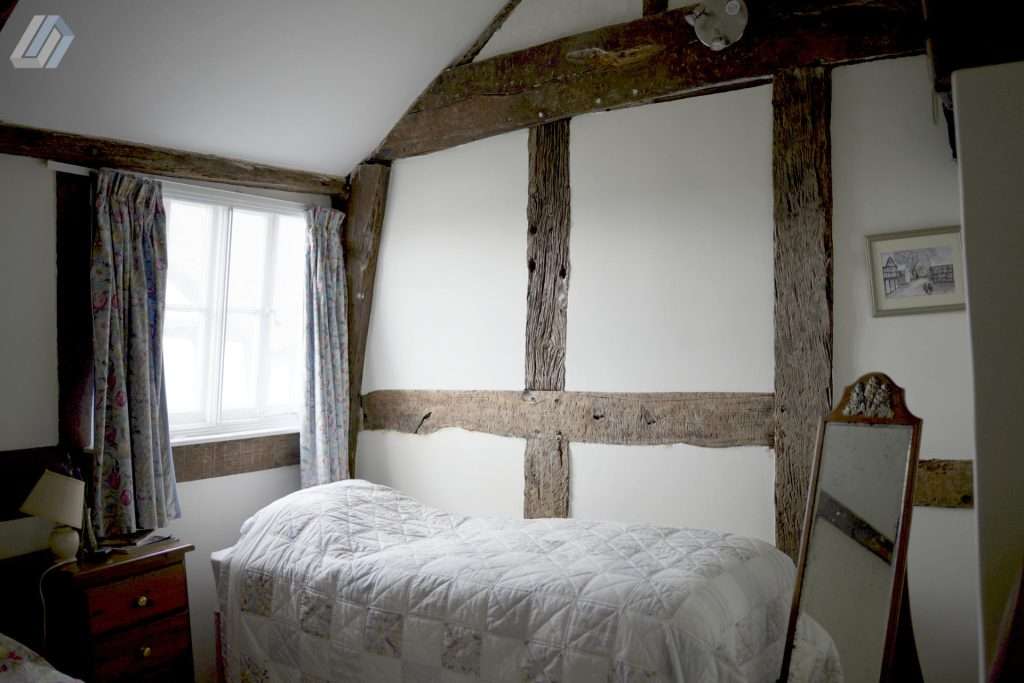
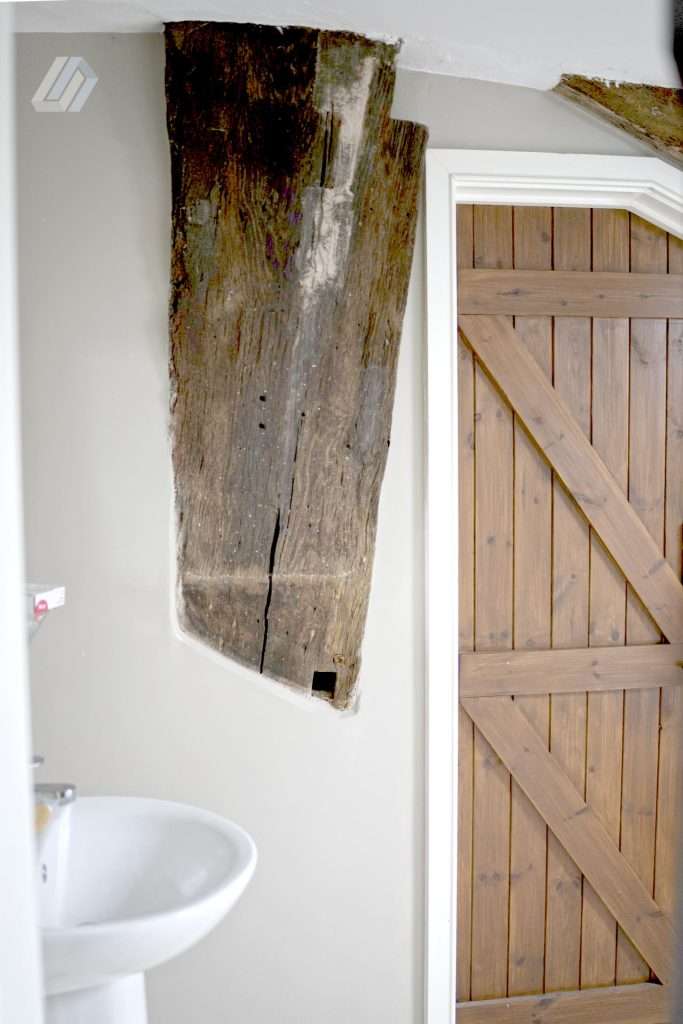
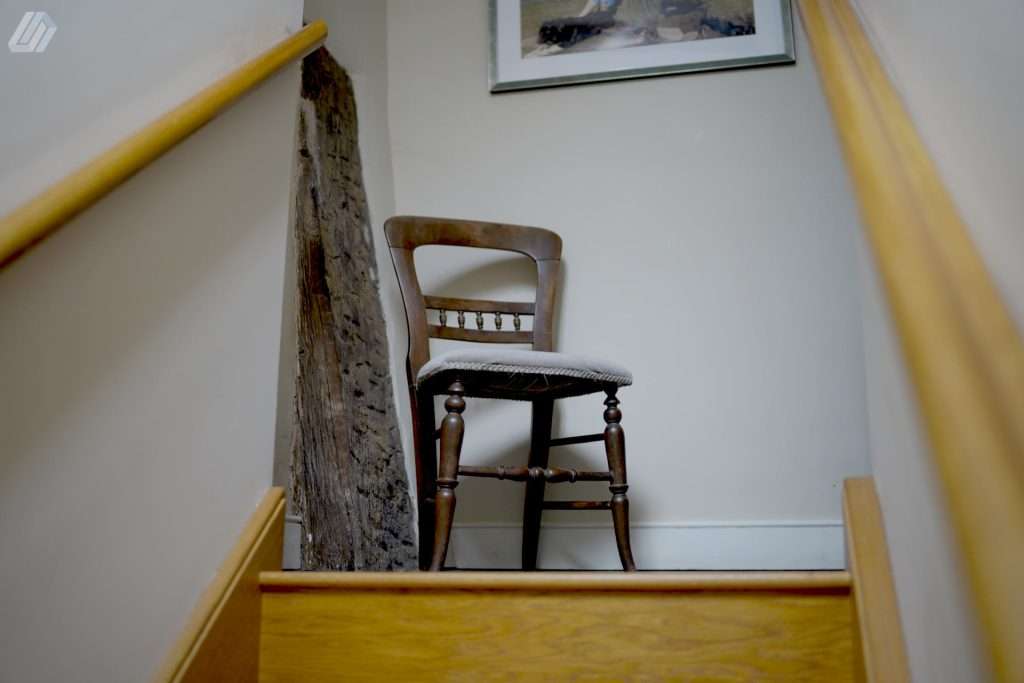
“We are thrilled with the work done by AP Construction Group. They managed to bring our vision to life while respecting the historical significance of our home. The new extensions are a perfect blend of modern design and historical charm. We couldn’t be happier with the result.” – Mr & Mrs Ware
In the UK, a building is listed when it is of special architectural or historic interest and considered worthy of protection. As the term implies, a listed building is added to the National Heritage List for England. The Secretary of State for Digital, Culture, Media and Sport is responsible for compiling this list with the help of Historic England.
Listed buildings are classified into three grades. Grade I buildings are of exceptional interest, Grade II* buildings are particularly important and of more than special interest, and Grade II buildings are of special interest, warranting every effort to preserve them. The majority of listed buildings fall into the Grade II category.
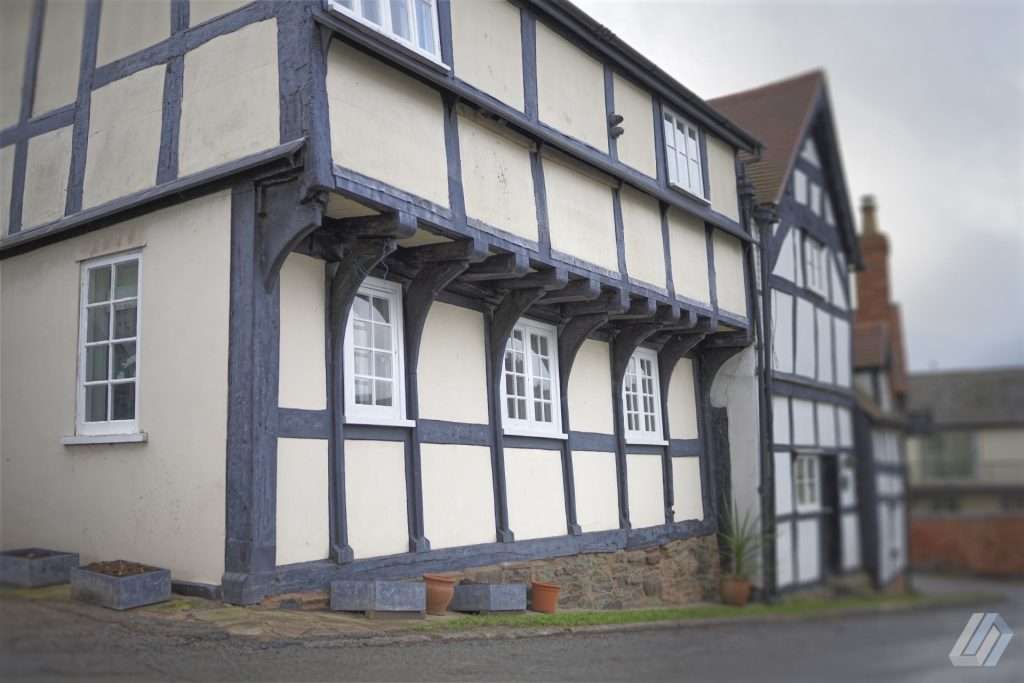
The Corner House in Weobley, Herefordshire, is a Grade II listed building. This means it is of special interest, and efforts should be made to preserve it. It’s a 16th-century structure that was listed on February 20, 1953. The house is constructed of timber frame with rendered infill on a coursed rubble plinth under a machine-tile roof.
It has two framed bays aligned east/west, with a gable-end stack to the west. The north front is jettied and has two stories with two windows. The entrance is in the left-hand (east) gable and has a 20th-century gabled canopy over a 20th-century ledged and boarded door.
This case study showcases AP Construction Group’s ability to handle complex projects that require a delicate balance of preservation and innovation. Our commitment to quality, attention to detail, and respect for historical structures ensure we deliver results that exceed our client’s expectations.
The new rooms are ergonomic yet homely, and the impressive views over the countryside to the rear are now a delight to be enjoyed. The project successfully combined the old with the new, resulting in a comfortable, modern living space that respects and celebrates its historical roots. The client and the local planning authority warmly received the end product.